
Seattle-area renter households earning at least $1 million a year increased from an estimated 50 to 445 in RentCafe’s Census-based analysis—a 790% increase. Business Insider’s coverage of the report places Seattle fourth among the metros ranked for growth, behind Houston, Naples and Miami.
That is a striking change. But it does not mean that 395 households sold their homes and became renters, or that renting has overtaken ownership among high earners.
What “millionaire renter” means here
The measure is annual household income of at least $1 million, not a net worth of $1 million. Combined household income can meet that threshold even when no individual household member earns seven figures.
That distinction matters when interpreting the headline. This is a particular income group, not a count of everyone with a million dollars in assets.
A 790% increase starts with a base of 50
The reported Seattle estimates rose by 395 households. The later estimate is 8.9 times the earlier one: (445 − 50) ÷ 50 × 100 = 790%.
Large percentage increases are easier to produce from a small starting count. The percentage is useful, but the underlying household estimates belong beside it.
There is also an important timing detail. As Business Insider and CEOWORLD’s review of the study explain, the analysis compares Census survey estimates for 2016–2020 and 2020–2024. The figures are commonly labeled 2020 and 2024, but they represent overlapping five-year periods—not two single-year headcounts or a record of the same households’ moves.
Income growth or a change in housing preferences?
The counts alone cannot separate those explanations. A household already renting could cross the income threshold without changing homes. Migration, household formation and moves between renting and owning could also change the totals.
Those are possible mechanisms, not established explanations for Seattle’s increase. Measuring how much each contributed would require more than the two reported totals.
Nationally, RentCafe’s analysis found 229% growth in millionaire renter households versus 193% growth in millionaire homeowner households, according to Business Insider. Both groups expanded substantially. Faster percentage growth among renters does not, by itself, establish that renters are the larger group or that particular owners switched to renting.
What this means for a rent-versus-buy decision
The report is a reason to examine the options, not a rule that households at a certain income should rent or buy. A useful comparison starts with:
- Time horizon: How long do you realistically expect to stay?
- Comparable homes: What would it cost to rent and buy a property that meets the same needs?
- Ownership costs: Include financing, property taxes, insurance, maintenance, any association dues and eventual selling costs.
- Capital and flexibility: How much cash would the purchase commit, and how important is the ability to move?
When comparing monthly costs, distinguish mortgage principal that pays down the loan from expenses such as interest and insurance. Then test different ownership periods and home-value outcomes rather than assuming appreciation.
The takeaway: Seattle’s reported growth in million-dollar-income renter households is substantial. Explaining why it happened—and deciding whether renting or buying makes sense for a particular household—requires more than the 790% headline.
Planning a move? Talk with ShopProp about your property and timeline.
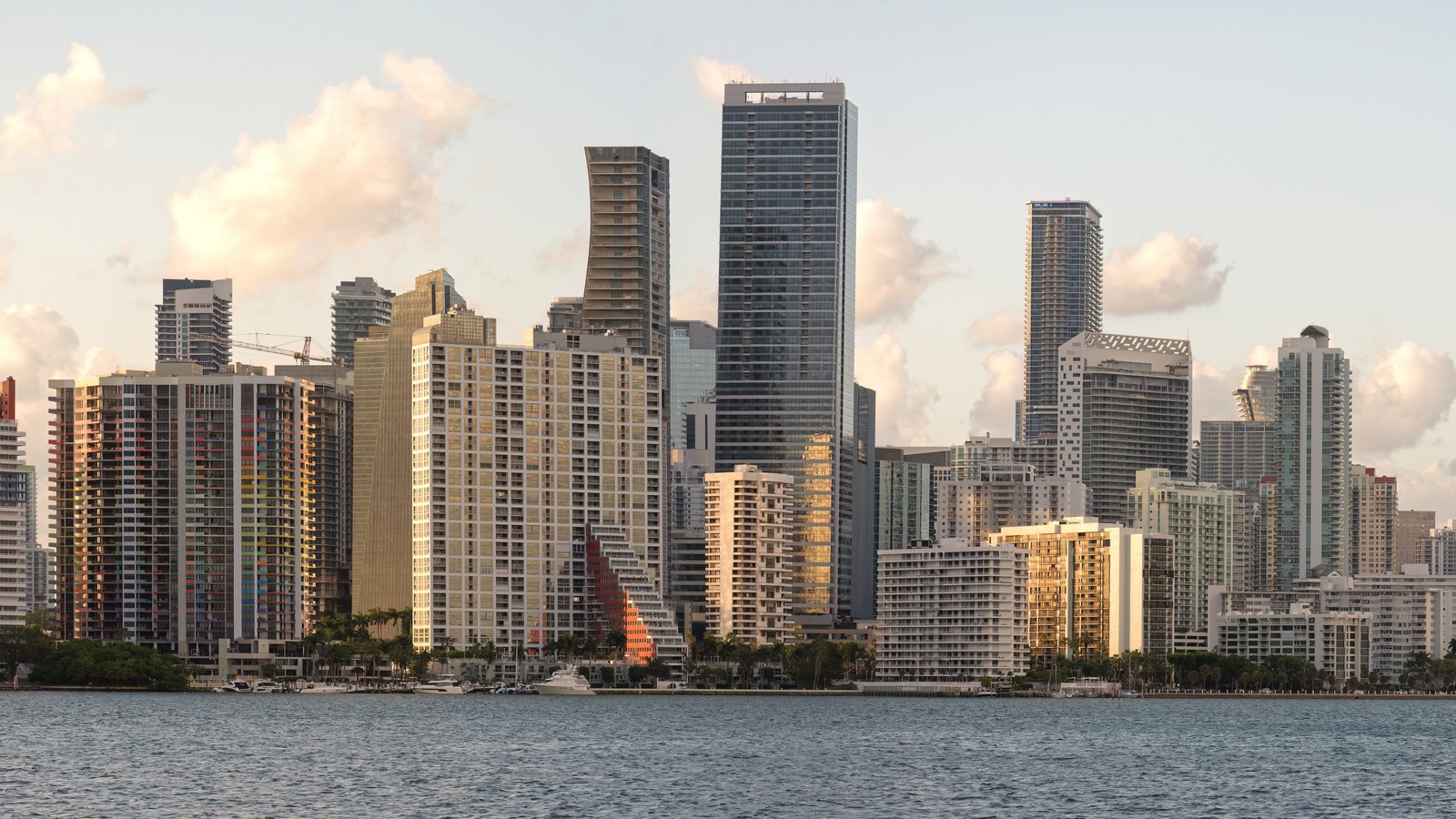
Cover: Seattle skyline for city context, not a property analyzed in this report. Photo by Dllu, via Wikimedia Commons, CC BY-SA 4.0. Resized and cropped. Sources: Business Insider, November 1, 2026; CEOWORLD, November 2, 2026. Both report on RentCafe’s analysis of Census survey data.