
Dallas released the first draft of its first significant zoning overhaul in more than four decades in early November, according to CRE Daily and The Real Deal. The review process could reshape where and how the city grows.
The 400-page document is a proposal, not an adopted rule. CRE Daily reports that the draft is available online and at select libraries, with a second draft expected in spring 2027. FOX 4 reported on November 2 that public open houses would begin in December and planners anticipated adoption in August 2027. That is a planning target, not a guarantee of approval.
What the first draft proposes
One central aim is to allow smaller homes on smaller parcels in certain areas, which city planners frame as a way to increase affordability and keep more residents near mixed-use hubs. The draft also signals support for denser duplex development, though council members are divided on where that density belongs — some draw a firm line at historic single-family neighborhoods.
Publication of a draft does not itself grant permission to subdivide a lot or build a duplex. Buyers and owners should verify the rules currently applicable to a property rather than treating proposed changes as approved.
How this fits the bigger picture
Understanding what this draft is — and what it isn't — matters for anyone evaluating Dallas real estate.
In 2024, Dallas adopted ForwardDallas 2.0, a comprehensive land-use and urban design plan. That document was a guiding vision, not a legally binding change to zoning. The proposed code rewrite addresses the development regulations themselves. It should not be treated as automatic approval for a particular project or a blanket rezoning of every property.
The current zoning code has accumulated layers of amendments over decades, creating rules that are difficult to navigate. The proposed overhaul is an attempt to simplify and update those rules, not a completed change.
What remains undecided
The proposal can change during public review. Proposed lot-size standards, where additional housing types would be allowed, and any neighborhood protections need to be evaluated in the eventual adopted text. Any effect on housing costs, rents or property values would depend on what is adopted and what actually gets built; lower prices are not guaranteed by publishing a draft.
Questions buyers and sellers should be asking
The zoning overhaul is a reason to do specific, property-level research now — not to assume any particular outcome for a parcel you're considering.
- What is the current zoning designation? What does it already permit, and how is the parcel currently developed?
- Does the property have historic or conservation protections? Verify the applicable district rules and how any proposed changes would interact with them.
- Are there pending rezoning applications nearby? Ask city planning staff about applications affecting the property or surrounding parcels.
- What do recorded deed restrictions and easements say? Ask a qualified professional which restrictions remain enforceable and how they interact with public zoning.
- Are you selling? Documentation of how the parcel is currently permitted and developed supports accurate disclosure and can affect buyer interest in a shifting regulatory environment.
None of these questions can be answered by what a first draft proposes. Each requires a property-specific review.
What's next
Watch for the public feedback schedule, the anticipated spring draft and any subsequent council action. The Real Deal and CRE Daily also report August 2027 as a potential adoption timeline. Those reports do not turn that target into an adopted ordinance or a promised outcome for an individual lot.
If you're buying or selling in the Dallas area and want to understand how local market conditions and property specifics affect your options, talk with ShopProp.
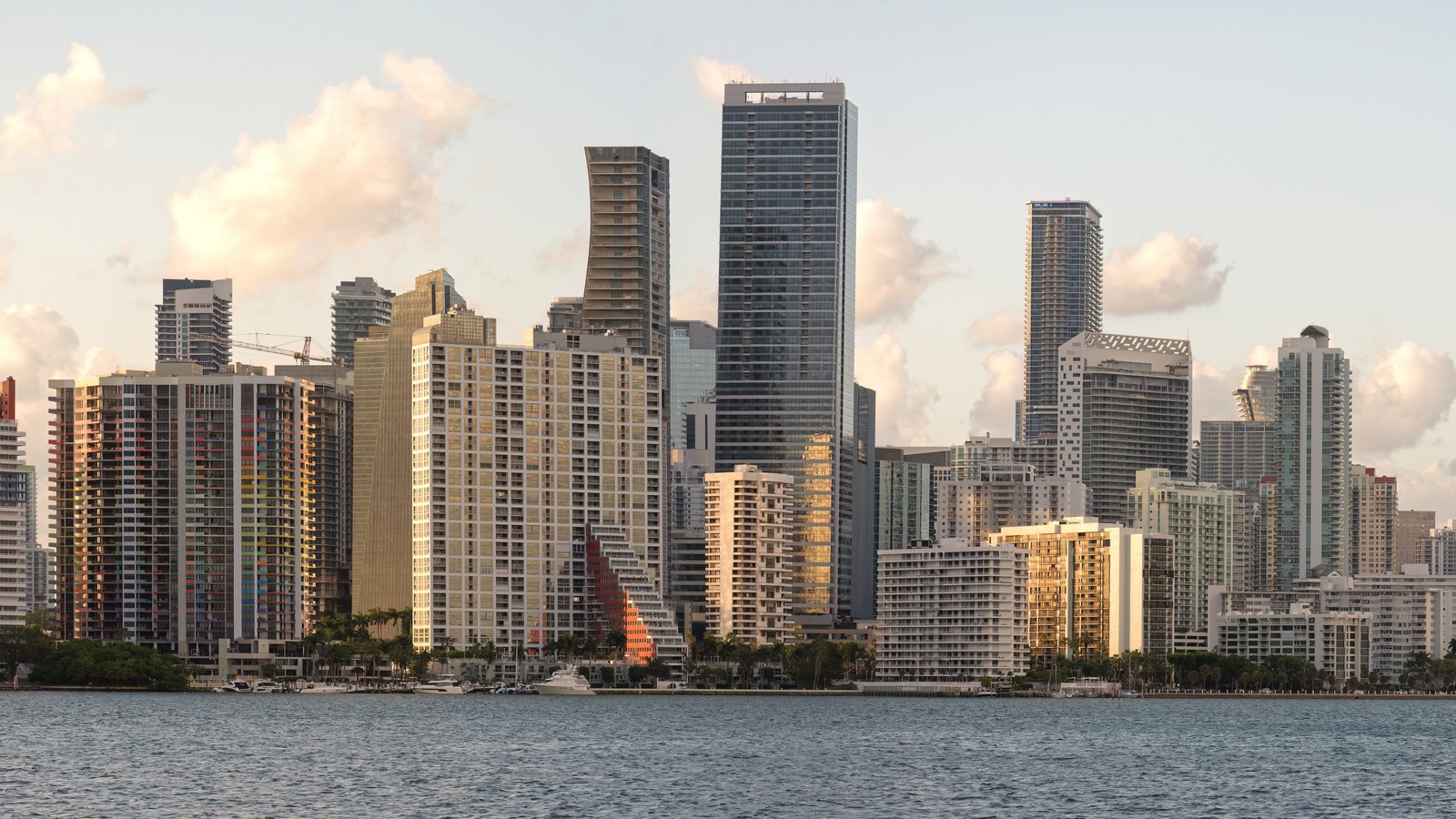
Cover: Dallas skyline for city context, not a rendering of the zoning proposal. Photo by Matthew T Rader, via Wikimedia Commons, CC BY-SA 4.0. Cropped and resized. Sources: CRE Daily Texas newsletter and brief, November 2026; The Real Deal, November 10, 2026; FOX 4, November 2, 2026.