
If you've ever wondered what a managing broker actually does — and why it matters when you're buying or selling a home — you're not alone. Reddit threads about managing brokers regularly hit the front page of real estate forums, and the answers are usually incomplete or wrong. Here's the definitive guide from someone who's been a managing broker for 19 years.
The Simple Definition
A managing broker (also called a designated broker or principal broker, depending on the state) is the person who holds the license that allows a real estate brokerage to operate. They are legally responsible for every transaction that happens under their brokerage. They supervise agents, ensure compliance with state and federal law, review contracts and disclosures, and handle escalated situations.
Think of it this way: a real estate agent is like a doctor in a hospital. The managing broker is the chief of medicine. Every agent practices under the broker's license, and the broker is ultimately accountable for the quality of their work.
Managing Broker vs. Real Estate Agent: The Key Differences
| Real Estate Agent | Managing Broker | |
|---|---|---|
| License Level | Salesperson license | Broker license (higher education + exam) |
| Can Open a Brokerage | No | Yes |
| Supervises Other Agents | No | Yes |
| Legal Liability | Personal only | All transactions under the brokerage |
| Contract Authority | Acts under broker's authority | Full authority to bind brokerage |
| Experience Required | Varies by state (often 0 transactions) | 2–5 years + additional education |
| Typical Transaction Count | 5–20/year average | Oversees 50–500+/year |
Why Does It Matter for Home Buyers and Sellers?
Most home buyers and sellers are assigned a regular agent — often someone with 1–3 years of experience who may have closed fewer than 20 transactions. That agent reports to a managing broker who reviews their work, but you never interact with the broker directly.
This creates an odd dynamic: the most experienced person at the brokerage is the one you never talk to, while the least experienced person is the one negotiating your largest financial transaction.
What If the Managing Broker Was Your Agent?
This is exactly what ShopProp offers. Rob Luecke is a California managing broker with 19 years of experience and 300+ closed transactions. When you work with ShopProp, you're working directly with the managing broker — not a junior agent who escalates to the broker when things get complicated.
Here's what that looks like in practice:
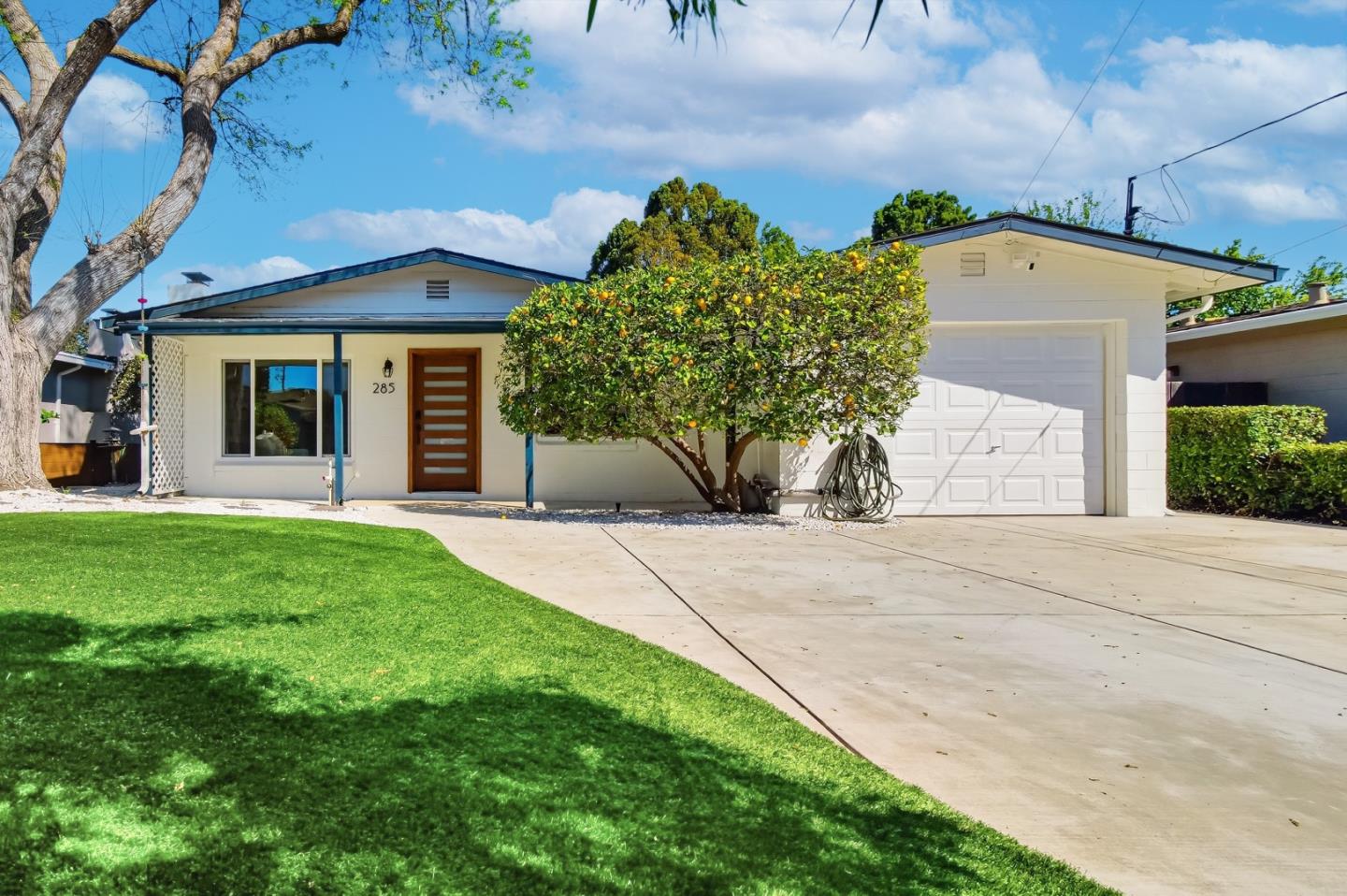
On this $2.25 million Sunnyvale purchase, the buyer saved $48,255 by working with ShopProp. A traditional 2.5% agent would have charged $56,250. And the buyer got a managing broker — someone who has reviewed thousands of disclosures, negotiated hundreds of offers, and managed every type of contingency — handling their transaction directly.
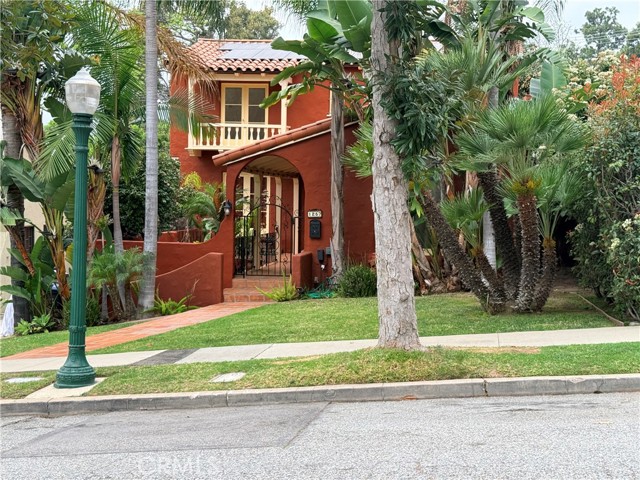
Another managing broker-led closing. $32,005 saved on a $1.52 million Glendale home.
The Managing Broker Advantage in Difficult Transactions
Where the managing broker difference really shows up is in complex or high-stakes transactions:
- Multiple offer situations: A managing broker has written and won hundreds of competing offers. They know which escalation clauses work, which contingencies to tighten, and when to advise walking away.
- Disclosure issues: When inspections reveal problems, a managing broker has seen it before — foundation issues, permit violations, environmental concerns. They know what's a dealbreaker and what's negotiable.
- Luxury properties: On ShopProp's $10.2 million Atherton closing, having a managing broker handle the transaction meant direct authority on every decision. No phone-tagging with a supervisor.
- Interstate transactions: ShopProp is licensed in 8 states. A managing broker understands the legal differences between California, Texas, Washington, and Arizona contracts.
What Reddit Gets Wrong About Managing Brokers
The most common misconception on Reddit is that managing brokers are purely administrative — paper-pushers who never work with clients directly. In large brokerages (Keller Williams, Coldwell Banker, RE/MAX), this is often true. The managing broker oversees 50–200 agents and rarely handles transactions personally.
But at boutique brokerages like ShopProp, the managing broker IS your agent. You get the expertise of someone who manages a brokerage AND the personal attention of someone handling your transaction directly. This model is rare because most managing brokers prefer the management role — it's easier and more profitable. ShopProp's flat-fee model makes direct managing broker service financially sustainable.
What the Media Says About Commission Reform
The shift toward transparent, flat-fee real estate isn't a fringe idea. Major outlets have covered it extensively:
- NPR reported that the NAR settlement is "forcing a reckoning" with traditional commission structures that have remained unchanged for decades.
- USA Today found that most buyers don't realize their agent's fee is negotiable — and that flat-fee alternatives can save tens of thousands of dollars.
- The Brookings Institution published research showing that American real estate commissions are among the highest in the world, and that increased competition and transparency would benefit consumers.
How Much Should a Managing Broker Cost?
At traditional brokerages, you're paying 2.5–3% for a junior agent who reports to a managing broker. At ShopProp, you pay a flat $1,995 (homes under $750K) for the managing broker directly. The math doesn't make sense until you realize that traditional commissions are paying for the brokerage's overhead — office space, marketing, splits with the agent — not for the quality of service.
ShopProp's flat-fee model cuts the overhead and passes the savings to you. No office. No splits. No percentage. Just a managing broker, a flat fee, and your transaction.