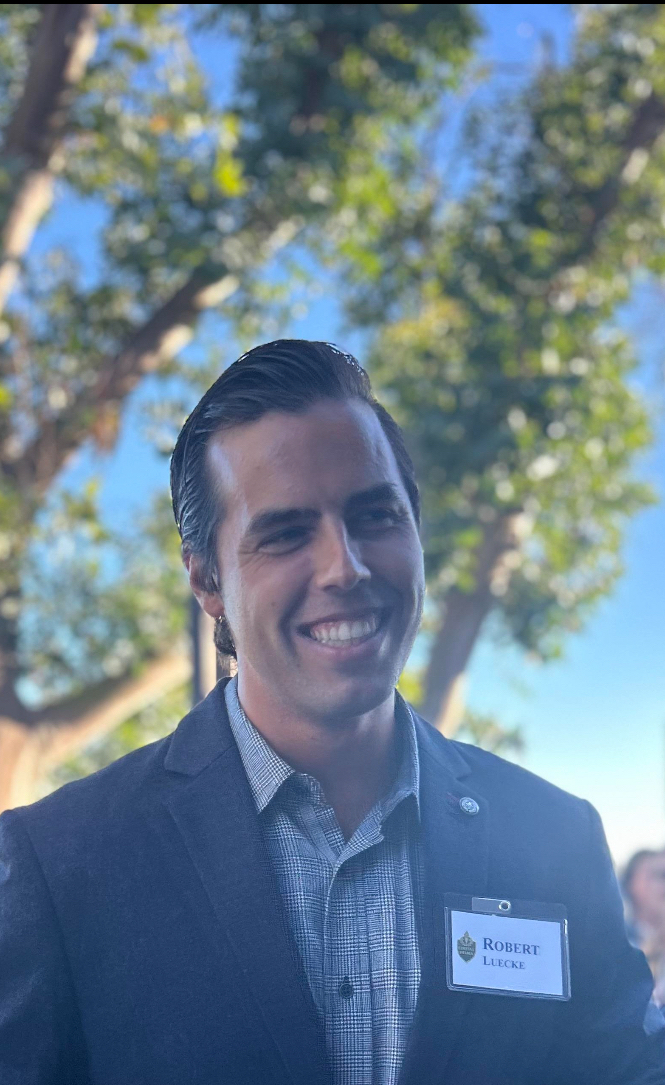
By Rob Luecke Jr., COO of ShopProp Realty
The Seattle Times recently reported on misleading AI alterations in Washington real estate listing photos and included my experience reporting an image to the Northwest Multiple Listing Service.
The immediate issue was a photograph. The reason I spoke up was much bigger.
At ShopProp, we want to get rid of the practices that undermine trust in real estate: high commissions that go unchallenged, a lack of transparency, and dishonesty.
Misleading AI photos are one example. They are not the whole problem, and calling them out is not the whole mission.
A mountain view that wasn't there
The Seattle Times story describes a Lake Washington listing image showing mountains that did not exist in that view. I reported the image to NWMLS. The newspaper reported that the original image was replaced with another AI-altered version without disclosure, and that both images were later removed.
That sequence matters. Identifying one misleading photograph does not necessarily solve the underlying problem.
A buyer looking at a listing should be able to understand what is actually being offered. A view is not a decorative accessory. Neither is a room's layout, a property's condition, or what stands next door.
If an image creates something the buyer will not find at the property, it can shape a decision around a false impression. Buyers should not have to visit a home to discover which parts of its marketing were real.
This is about honesty, not opposition to AI
There is a difference between helping someone visualize furniture in a room and inventing a feature of the home.
A clearly explained illustration can help a buyer imagine how a space might be used. It should not replace an accurate account of what exists. A label can explain that furniture is virtual; it cannot make a nonexistent mountain view real.
I want technology to make real estate more useful to consumers. It should help people understand information, reduce unnecessary work, and make decisions with greater confidence.
When technology instead makes it easier to hide a problem or create a false impression, we should challenge that use of it.
The standard should be honesty, regardless of which tool created the image.
High commissions deserve scrutiny, too
Our concern does not begin and end with photographs. We also want consumers to question what they are paying for real estate services.
A commission should stand up to straightforward questions: What work is included? What does it cost? Why is it priced that way? What other arrangements could meet the client's needs?
Price alone does not tell you whether a professional is honest. But a high fee should never be protected by confusion about what the consumer is buying.
Good professionals should be able to explain their value. Buyers and sellers should be able to compare that value, ask difficult questions, and make an informed choice without being made to feel that questioning the cost means they do not understand real estate.
Challenging high commissions is part of our mission. So is challenging the lack of transparency that can make those commissions difficult to evaluate.
Transparency has to mean something practical
Transparency is not just a word to put on a website. It should change what a buyer or seller can actually understand before making a decision.
Here are the questions I believe consumers should be able to get clear answers to:
- What am I seeing? Which listing images show the actual property, and which have been altered or created as illustrations?
- What am I paying? What fees apply, when are they due, and what services are included?
- What do we know? Which statements about the property are verified, which come from another party, and what still needs investigation?
- Who is responsible? Who represents me, who is handling each part of the transaction, and whom do I contact when something is wrong?
- What are my options? What alternatives can I consider before agreeing to a service or making a commitment?
Those are reasonable questions. Answering them clearly should be part of serving a client, not something a consumer has to fight for.
Speaking up is part of the job
It would have been easy to look at the altered photograph, shake my head, and move on. I reported it because accepting these practices as normal is exactly what I want to change.
That does not mean every real estate professional is dishonest. It means honest professionals have a reason to challenge conduct that damages trust in the work they do.
It also means we should hold ourselves to the same standard. If we ask the industry for clearer information and greater accountability, those expectations should apply to us.
We do not want ShopProp to be known only for pointing out a bad listing photo. We want the broader conversation to be about fair costs, clear information, and honest representation.
The Seattle Times coverage gives that conversation a concrete example. Our purpose goes beyond that example: challenging high commissions, demanding transparency, and rejecting dishonesty in real estate.
That is why I spoke up. Buyers and sellers deserve better than being told to accept the way things have always been done.
Source and further reading
The reporting summarized above is by Destiny Muller in The Seattle Times: “‘Very deceptive’: WA real estate listings are getting AI makeovers.” The views about commissions, transparency, and industry standards expressed here are my own.
Related perspective from ShopProp founder Rob Luecke: Real Estate Disclosure Packages Have Become Ridiculous. And Consumers Are Paying the Price.