
When you hire a real estate agent, you're hiring someone who works under a broker. When you hire a managing broker, you're hiring the person who runs the brokerage — the one other agents go to with their hardest questions. That distinction matters more than most buyers and sellers realize, and in 2026, it can be worth tens of thousands of dollars.
What Is a Managing Broker?
A managing broker holds the highest operational license a real estate professional can earn. They've passed additional examinations, met extended experience requirements, and carry legal responsibility for every transaction their brokerage handles. In most states, a regular agent cannot operate without a managing broker overseeing their work.
Here's what that means in practice:
- Legal accountability: The managing broker is personally responsible for every contract, disclosure, and negotiation that flows through the brokerage. A regular agent's mistakes become the broker's liability.
- Decision-making authority: When a complicated situation arises — a title defect, a disclosure dispute, a bidding war strategy — the managing broker is the person who resolves it. Regular agents escalate to their broker. At ShopProp, you start at the top.
- Regulatory standing: Managing brokers answer directly to state real estate commissions. They maintain continuing education requirements beyond what agents need and carry higher professional liability standards.
The Traditional Brokerage Model — And Its Hidden Cost
At a traditional brokerage like Compass, Keller Williams, or Coldwell Banker, here's what typically happens when you hire an agent:
| What You Get | Traditional Model | Managing Broker Model |
|---|---|---|
| Who handles your transaction | An agent (often 1–3 years experience) | The managing broker directly |
| Disclosure review | Agent reviews, may ask broker if unsure | Broker reviews personally — 4,000+ transactions of pattern recognition |
| Negotiation strategy | Agent negotiates, broker available if needed | Broker negotiates — has seen every scenario |
| Typical buyer fee | 2.5% of purchase price ($25,000 on a $1M home) | Flat fee starting at $1,995 (ShopProp) |
| Who profits from a higher sale price? | The agent (their commission goes up) | Only the seller — the broker's flat fee doesn't change |
The percentage model creates a structural misalignment. Your agent earns more when you pay more. A managing broker on a flat fee has one incentive: close the deal well, because their reputation depends on it.
Real Closings: What Managing Broker Representation Looks Like
Rob Luecke, ShopProp's managing broker since 2007, has personally overseen more than 4,000 transactions across 8 states. Here's what recent clients paid — and what they saved — by working directly with a managing broker instead of a percentage-based agent.
$7,150,000 — Irvine, California
 SOLD
SOLD105 Iron Gate, Irvine, CA 92603
A traditional 2.5% agent fee on this home would have been $178,750. ShopProp's flat fee: $12,490. This buyer saved $345,010 — and got the same managing broker who's closed thousands of transactions reviewing every line of the disclosure package.
This is the clearest example of why percentage fees make no sense. The work on a $7M home is not fourteen times harder than on a $500K home. The managing broker reviews disclosures, negotiates terms, and guides the close — the same process at every price point.
View property details on ShopProp →
$750,000 — Leander, Texas
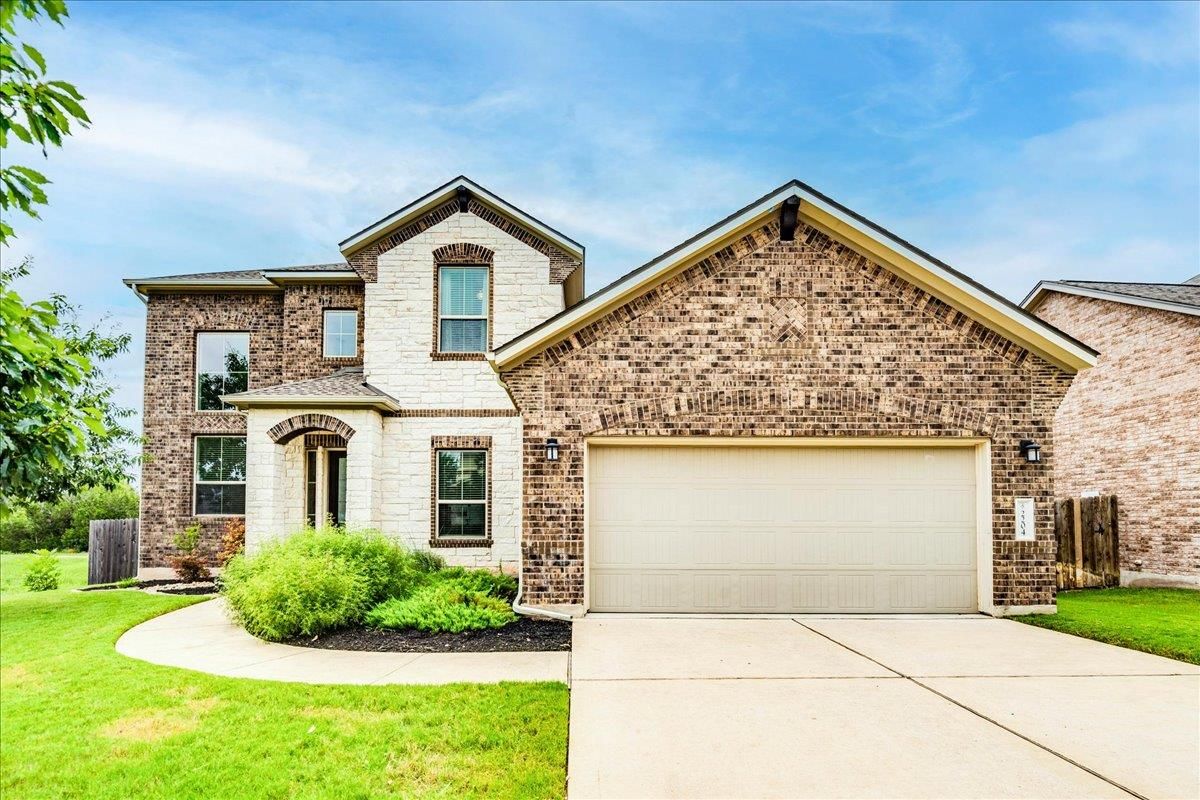 SOLD
SOLD2204 Camino Alemeda, Leander, TX 78641
Traditional 2.5% fee: $18,750. ShopProp flat fee: $6,995. Savings: $15,205. Texas buyers often assume they need a local agent, but a managing broker licensed in the state brings something local agents rarely have — decades of cross-market pattern recognition from closing deals in 8 states simultaneously.
View property details on ShopProp →
$1,003,333 — Honolulu, Hawaii
 SOLD
SOLD333 Ward Ave #3605, Honolulu, HI 96814
Traditional fee: $25,083. ShopProp flat fee: $4,995. Savings: $25,105. Hawaii's real estate market has its own quirks — leasehold vs. fee simple ownership, condo reserve studies, hurricane insurance requirements. A managing broker with 19 years of multi-state experience navigates these confidently, where a newer agent might miss critical details.
View property details on ShopProp →
The NAR Settlement Changed the Game
Since the 2024 National Association of Realtors settlement, buyers can no longer assume the seller pays their agent's commission. Buyers now sign representation agreements and may be responsible for their own agent fees. This makes the managing broker vs. agent distinction even more important:
- If you're paying your own agent fee, would you rather pay $25,000 (2.5% on a million-dollar home) for a junior agent — or $4,995 for the managing broker who trained that agent?
- If the seller offers a commission, the difference between the seller's offer and your flat fee comes back to you as cash at closing or a credit toward closing costs.
The NAR settlement didn't just change how agents get paid. It exposed a question buyers should have been asking all along: why am I paying a percentage for a service that doesn't scale with price?
What About Sellers?
Sellers benefit from the managing broker model too. ShopProp's seller listing fees start at $4,995 for full-service representation — not the traditional 6% split (3% to your agent, 3% to the buyer's agent). With a Seller-Managed Listing through ShopProp's Show & Disclose platform, sellers get professional MLS exposure, managing broker oversight on offers, and negotiation guidance — without the inflated commission.
How to Evaluate Any Agent or Broker
Before you sign a representation agreement with anyone, ask these five questions:
- Are you a managing broker or an agent? If they're an agent, ask who their managing broker is and how involved that broker will be in your transaction.
- How many transactions have you personally overseen? Not the brokerage's number — theirs. ShopProp's managing broker has handled 4,000+.
- Is your fee a flat rate or a percentage? A flat fee means the broker's incentive is aligned with yours. A percentage means they benefit from a higher price.
- What happens when something goes wrong? Who reviews the disclosures that flag a foundation issue? Who renegotiates after a bad inspection? The answer should be a managing broker, not a first-year agent looking it up.
- How many states are you licensed in? Multi-state licensing means broader experience. ShopProp operates in 8 states: CA, WA, TX, AZ, VA, HI, CO, and MI.
The Bottom Line
A managing broker does the same work a regular agent does — but with more experience, more authority, and more accountability. At ShopProp, that managing broker representation starts at $1,995 for buyers and $4,995 for sellers. The three closings above represent $385,320 in combined savings compared to traditional percentage-based fees.
The question isn't whether you need an agent. It's whether you're paying a percentage for something that should be a flat fee — and whether you're getting the managing broker, or just someone who works for one.
Calculate your savings: ShopProp Savings Calculator →
See all recent closings: ShopProp Top Results →
As featured in NPR, USA Today, New York Post, Brookings Institution, and Mercury News. ShopProp's Rob Luecke Jr is a Top 1% poster on Reddit's r/BayAreaRealEstate.