
When you start shopping for a home, everyone tells you to "get a good agent." But almost nobody explains the difference between a real estate agent and a managing broker — and that gap in knowledge costs buyers thousands of dollars every year.
Understanding this distinction isn't just industry trivia. It directly affects the quality of representation you receive, the fees you pay, and how much money stays in your pocket at closing.
What Is a Real Estate Agent?
A real estate agent holds a state license to help people buy or sell property. They work under a brokerage and are supervised by a broker. Most agents specialize in showing homes, writing offers, and guiding you through the transaction process.
There are roughly 1.5 million active real estate agents in the United States. The barrier to entry is relatively low — most states require 60 to 180 hours of coursework and a passing exam score. An agent can be licensed and working within a few months.
This doesn't mean agents are bad. Many are excellent. But the range in experience and competence is enormous. The agent who just got licensed last month charges the same 2.5% commission as the one with 20 years of experience.
What Is a Managing Broker?
A managing broker holds a higher license that requires additional education, experience, and examination. In most states, you need 2 to 5 years of active agent experience plus broker-level coursework before you can even sit for the broker exam.
More importantly, a managing broker carries legal responsibility for every transaction their brokerage handles. They don't just participate in deals — they oversee them. That means:
- Disclosure review: A managing broker reads every disclosure document and flags issues that less experienced agents might miss — foundation problems buried in inspection addenda, unpermitted work mentioned in seller disclosures, HOA litigation risks.
- Negotiation strategy: Brokers have seen thousands of deals. They know when a seller's counter-offer is posturing and when it's a walk-away signal. They've navigated appraisal gaps, multiple-offer situations, and last-minute repair negotiations across every market condition.
- Contract expertise: Real estate contracts in states like California and Texas run 15 to 30 pages with dozens of contingency timelines. A managing broker knows which deadlines are fatal and which are negotiable — because they've handled the consequences of both.
- Risk management: The managing broker's license is on the line for every transaction. That personal liability creates an incentive structure that doesn't exist for individual agents, who can move to a different brokerage if problems arise.
The Fee Problem: Why Traditional Brokerages Charge the Same Regardless
Here's what most buyers don't realize: a traditional brokerage charges the same percentage commission whether you work with a brand-new agent or the firm's most experienced broker. The standard 2.5% buyer agent commission on a $1 million home is $25,000 — regardless of who actually does the work.
At many large brokerages, the managing broker stays in the back office reviewing files. You get assigned to a regular agent. The broker signs off on paperwork but rarely gets involved in your day-to-day transaction. You pay a premium price for standard service.
This is where the post-NAR settlement landscape has created an opportunity. Since August 2024, buyers are required to sign buyer representation agreements that spell out exactly what they're paying for. That transparency has led more buyers to ask a simple question: "What am I actually getting for this fee?"
The ShopProp Model: Managing Broker on Every Deal for $1,995
ShopProp was founded in 2007 on a straightforward idea: buyers deserve managing broker-level representation without paying percentage-based commissions that scale with home prices.
Rob Luecke — California DRE #01881220, with 19 years of experience and 4,000+ completed transactions across 8 states — personally oversees every ShopProp deal. Not a junior agent. Not a team lead. The managing broker.
The flat fee starts at $1,995. The rest of the buyer agent commission offered by the seller? It goes back to you as a rebate at closing.
Here's how the math works on recent ShopProp closings:
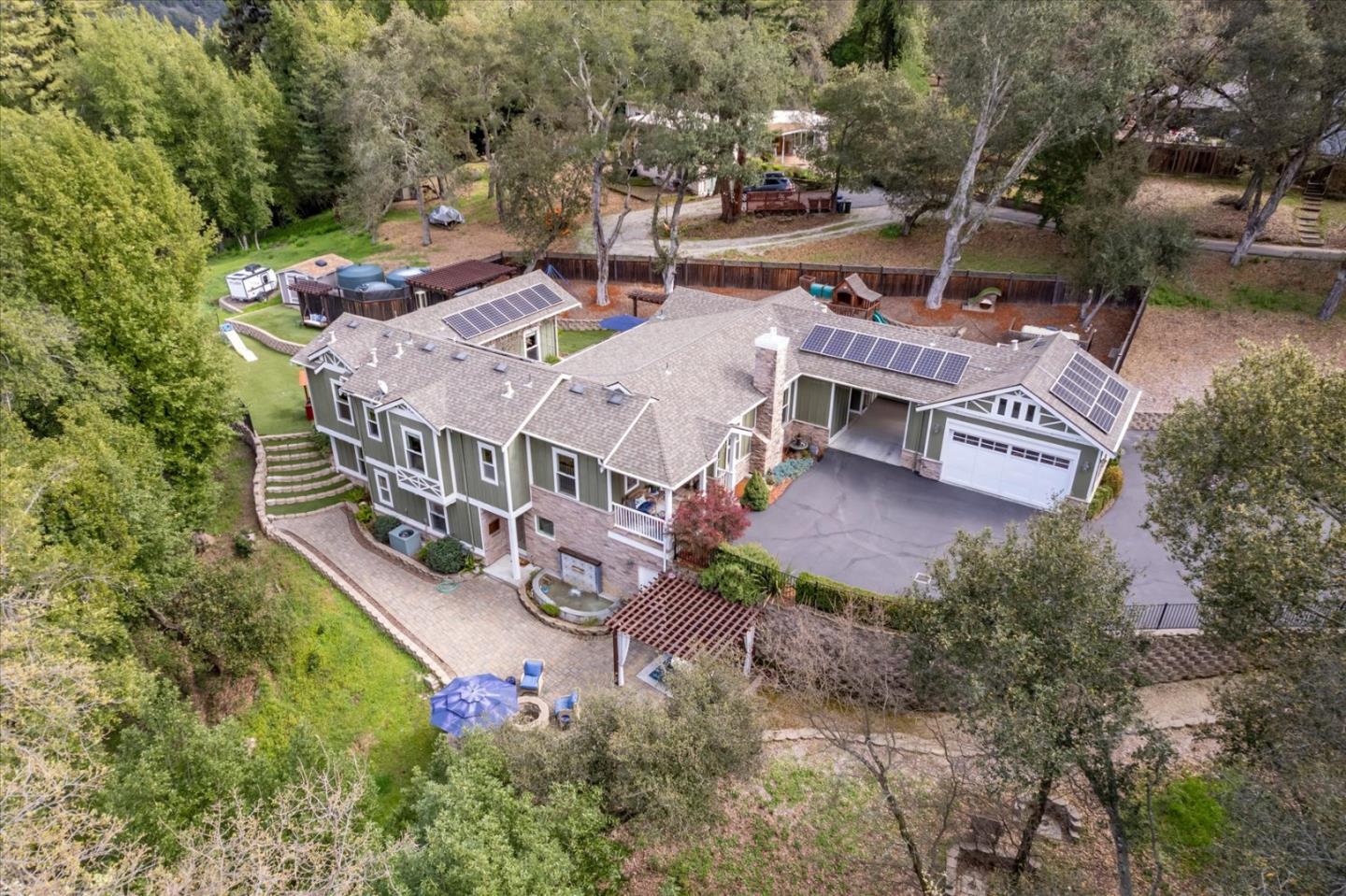
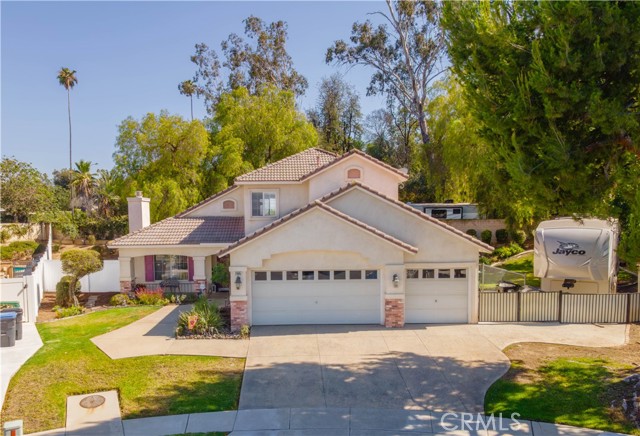
Combined savings across just these three closings: $112,515. That's money these buyers kept because they worked with a managing broker at a flat fee instead of paying a percentage to a traditional agent.
Managing Broker vs Agent: Side-by-Side Comparison
| Factor | Traditional Agent | ShopProp Managing Broker |
|---|---|---|
| License Level | Agent (entry-level) | Managing Broker (highest level) |
| Experience Required | None (just exam) | 19 years, 4,000+ deals |
| Buyer Fee (on $1M home) | $25,000 (2.5%) | $1,995 flat fee |
| Your Rebate | $0 | $23,005 |
| Disclosure Review | Varies by agent skill | Broker-level review every deal |
| Negotiation | Agent handles directly | Broker-led strategy |
| Legal Liability | Agent + supervising broker | Managing broker directly accountable |
| States Licensed | Usually 1 | 8 states (CA, WA, TX, AZ, VA, HI, CO, MI) |
What "Full Service" Actually Means with a Managing Broker
Some flat-fee brokerages advertise "full service" but deliver something closer to a technology platform with occasional agent support. Here's what managing broker-led representation includes at ShopProp:
- Offer strategy in competitive markets: In a 10-offer situation on a Cupertino home, the managing broker crafts escalation clauses, appraisal gap coverage terms, and inspection contingency timelines calibrated to the specific listing agent and seller motivations — not a one-size-fits-all template.
- Disclosure analysis: California transactions alone involve 60+ pages of disclosures. A managing broker with thousands of California deals under their belt spots red flags — pending special assessments, roof age discrepancies, unpermitted ADUs — that a newer agent would need to research.
- Appraisal navigation: When an appraisal comes in below the contract price, the managing broker has handled hundreds of these situations. They know when to challenge the appraisal, when to renegotiate price, and when to walk.
- Closing coordination: Title issues, lender delays, last-minute repair requests — the managing broker has seen every version of closing-week chaos and knows how to resolve it without killing the deal.
The Landmark ShopProp Closings
ShopProp's managing broker model has been tested on some of the largest residential transactions in the country:
- $10.2M in Atherton, CA — client saved $247,005
- $7.15M in Irvine, CA — client saved $166,260 (closed September 2026)
- $5.8M in Manhattan Beach, CA — client saved $166,005
- $3.5M in Cupertino, CA — client saved $79,505
These aren't hypothetical savings. They're verified closings with real rebate amounts, overseen by the same managing broker who handles every ShopProp transaction.
Questions to Ask Before Hiring Any Agent
Before signing a buyer representation agreement — which is now required under the NAR settlement rules — ask these questions:
- "Are you a managing broker or an agent?" If they're an agent, ask who the supervising broker is and how involved that broker gets in your transaction.
- "How many transactions have you personally closed?" Not the brokerage's number. Their number.
- "What is your flat fee, and what happens to the rest of the commission?" If they can't clearly explain how the rebate works, that's a red flag.
- "Will you personally review all disclosures and handle negotiations?" At larger brokerages, these tasks often get delegated to transaction coordinators.
- "How many states are you licensed in?" Broader licensing means broader experience with different state laws and disclosure requirements.
Calculate Your Savings
Use the ShopProp savings calculator to see your exact rebate on any home in California, Washington, Texas, Arizona, Virginia, Hawaii, Colorado, or Michigan.
Or browse all recent ShopProp closings to see what real buyers saved with managing broker representation.
As featured in
NPR · USA Today · New York Post · Brookings Institution · Mercury News · MarketWatch · Reddit r/BayAreaRealEstate
